The Underrated Genius of Charlie Rouse
By Staff | Published on N/A
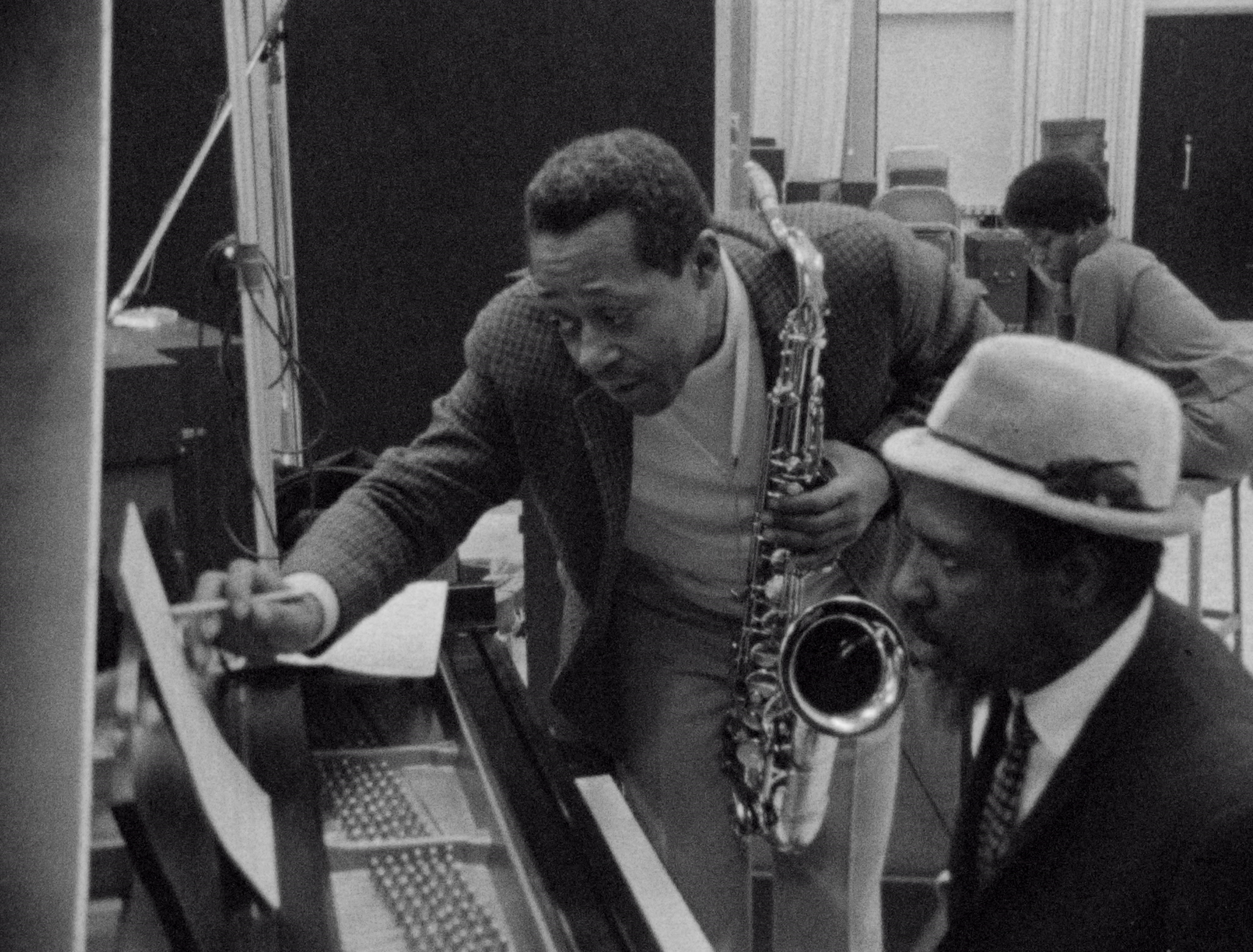
In the history of Thelonious Monk’s music, few figures were as vital, or as overlooked, as tenor saxophonist Charlie Rouse. While icons like John Coltrane and Sonny Rollins dominate the spotlight for their legendary (and brief) stints with the pianist, it was Rouse who stood beside Monk for over a decade. He was tasked with translating Monk's angular, elusive compositions into something deeply human. He wasn't flashy. He wasn't a revolutionary. But more than anyone else, he fit.
Monk’s Revolving Door
Before Rouse joined in 1959, Monk worked with some of the most commanding saxophonists in jazz history. Coltrane brought spiritual intensity to landmark albums like Monk’s Music. Johnny Griffin played with staggering speed and technical flair. But Monk’s music—with its halting rhythms, jagged edges, and sudden harmonic shifts—was a unique challenge. It demanded a musician who could navigate its quirky architecture without trying to bulldoze it. Few stuck around for long.
Rouse did. He didn’t just adapt to Monk’s world; he made himself essential to it.
Enter Charlie Rouse
Born in Washington, D.C., in 1924, Rouse came up through the demanding worlds of big bands and bebop, playing with Dizzy Gillespie, Duke Ellington, and Oscar Pettiford. By the time Monk hired him, Rouse had developed the perfect toolkit for the job: a warm, dry tone and a calm, melodic phrasing that served as the ideal foil for Monk’s off-kilter brilliance.
Over the next decade, Rouse became Monk’s primary collaborator, his horn a fixture on classic Columbia albums like Monk’s Dream, Criss-Cross, Straight, No Chaser, and Underground. His playing was conversational, often echoing Monk’s humor and phrasing without ever imitating it. He never tried to overpower the music. Instead, he let it breathe, adding depth instead of just density.
Critics at the time often underestimated him, calling his style too safe or subdued. But that was precisely Rouse’s strength. He didn’t aim to impress; he aimed to serve the song. In Monk’s strange and specific universe, that quality made him indispensable.
Watch Rouse and Monk in Perfect Sync
This short performance perfectly captures Rouse’s ability to ride Monk’s angular phrasing with effortless grace. His solo is direct and inventive, matching Monk’s clipped, percussive comping beat for beat and showing their near-telepathic connection.
After Monk
When Monk withdrew from the music scene in the mid-1970s, Rouse kept going. In 1982, he co-founded Sphere, a quartet dedicated to Monk’s music that allowed him to stretch out further while staying grounded in the language he helped shape. His own solo albums, like the soulful Yeah! (1960) and the creative Two Is One (1974), showed a more assertive voice that was always there, now moved to the front and center.
Rouse died in 1988, just as the jazz world began to fully reassess Monk’s legacy and his own crucial part in it. He wasn't a fire-breathing innovator. He was a builder, a translator, and a master listener. And for more than ten years, he was the steady, soulful voice that made Monk’s music sing.
It’s time his name carried the weight it deserves.
Essential Listening
To fully appreciate Charlie Rouse's artistry, start with these key recordings that showcase his distinctive voice both within Monk's quartet and as a leader.
With Thelonious Monk
- Monk’s Dream (1963): The best-selling album of Monk's career, this is the quintessential document of the classic quartet. Rouse’s solos on tracks like "Bolivar Blues" are models of thematic coherence and soulful precision.
- Criss-Cross (1963): Recorded shortly after Monk's Dream, this album captures the quartet at its absolute peak. Listen for the near-telepathic interplay between Rouse and Monk on the intricate title track.
- Underground (1968): This Grammy-winning album showcases the quartet's enduring power and evolution. Rouse sounds completely at home, weaving through Monk's later compositions with confidence and wit.
As a Leader & Co-Leader
- Yeah! (1961): Recorded during his early tenure with Monk, this spirited session proves Rouse was a compelling leader in his own right. His warm, robust tone shines in a soul-jazz setting.
- Two Is One (1974): A fascinating post-Monk outing where Rouse experiments with overdubbing flute parts alongside his tenor. It’s a creative and personal statement that reveals another side of his musical thinking.
- Sphere, Four in One (1982): The debut album from the collective dedicated to Monk's music. Rouse isn't just replaying the hits; he’s re-investigating the compositions, and his playing is filled with a mature fire and fresh ideas.