The $70,000 Invoice: How Danny Brown Bankrupted Himself to Clear Atrocity Exhibition
Refusing to compromise British producer Paul White’s jagged prog-rock loops, the Detroit rapper paid out of pocket to legally release his 2016 masterpiece.
By Linernotd Hip Hop | Published on October 21, 2026
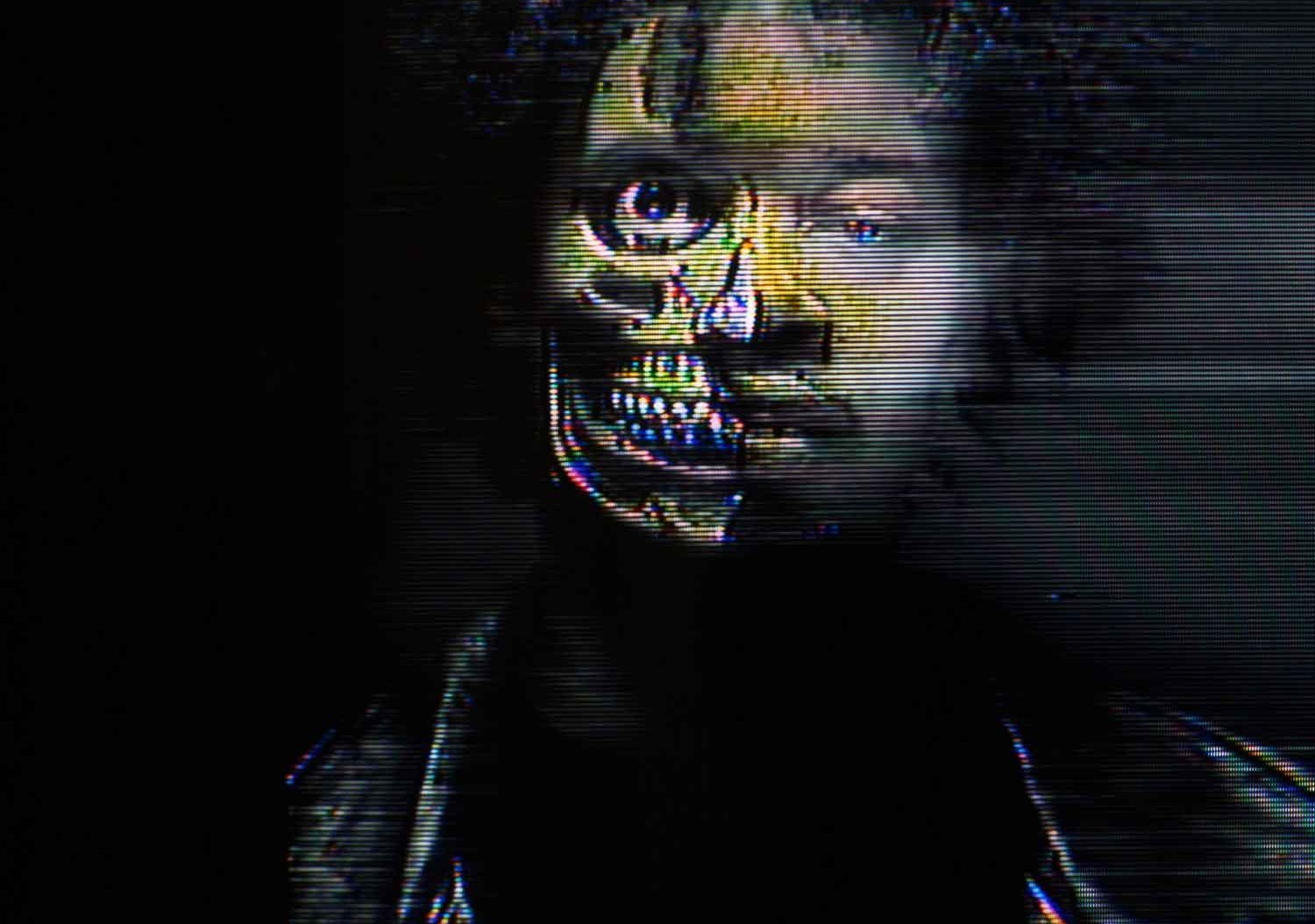
After the commercial breakthrough of his 2013 album Old, Danny Brown was perfectly positioned to easily coast into a lucrative run of standard trap beats and major-label pop features. Instead, he signed a deal with the London independent electronic label Warp Records and began assembling a dense, complex project named after a 1980 Joy Division track.
The architectural foundation of Atrocity Exhibition was built almost entirely through email folders. British producer Paul White sent Brown dozens of erratic, off-rhythm instrumentals constructed from obscure global vinyl, including South African rock, 1970s Italian prog, and jagged post-punk. Brown spent three years meticulously writing and recording his vocals over these highly specific loops. But as the September 2016 release date approached, the project hit a massive administrative wall: absolutely none of the obscure global audio was legally cleared for commercial distribution.

When Warp Records' legal team finally tracked down the various international copyright holders and tabulated the fees, the final invoice was staggering. The sample clearances alone totaled exactly $70,000, a figure that completely wiped out the album's remaining budget. The standard music industry pivot in this scenario is straightforward: producers either scrap the offending tracks, or labels hire session musicians to cheaply replay the melodies to avoid paying the original master holders.
Brown flatly refused to alter the files. Obsessed with the exact, unreplicable analog grit of White’s original vinyl rips, the rapper liquidated his own finances, writing a personal check for $70,000 to cover the clearance debt himself. When Atrocity Exhibition hit shelves a decade ago, it was universally canonized as a structural leap forward for the hip-hop genre. Yet, the ultimate modern testament to uncompromising artistic integrity remains a record that completely drained its creator's bank account before a single physical copy was ever sold.