The Acid House Coronation: How Primal Scream Accidentally Won the First Mercury Prize
By handing their guitars over to a DJ, an unremarkable Glasgow indie band birthed Screamadelica—and immediately conquered the British establishment.
By Linernotd Indie / Alternative | Published on October 8, 2026
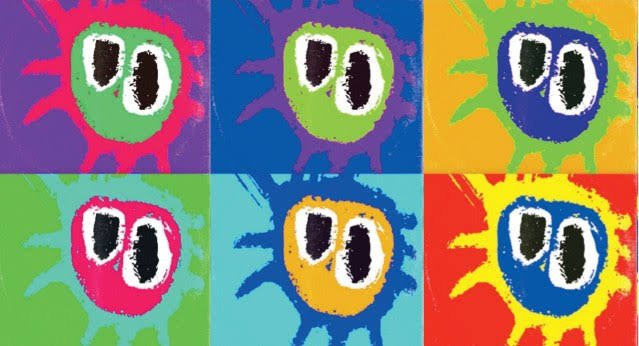
In 1992, the UK music industry created the Mercury Music Prize as a highbrow, sophisticated alternative to the highly commercialized Brit Awards. The goal was to establish a prestigious institutional honor—equivalent to the Booker Prize for literature—that would reward the absolute pinnacle of modern British artistic merit and structural songwriting. When it came time to announce the inaugural winner, beating out massive global juggernauts like U2’s Achtung Baby, the committee handed their very first trophy to a band that had essentially allowed a DJ to tear their music apart.
Prior to Screamadelica, Primal Scream was stalling out. They were a traditional, leather-clad indie-rock band from Glasgow, heavily indebted to 1960s jangle-pop and the Rolling Stones. Their trajectory completely fractured when they handed a forgotten, lackluster ballad called "I'm Losing More Than I'll Ever Have" to music journalist and burgeoning DJ Andrew Weatherall.
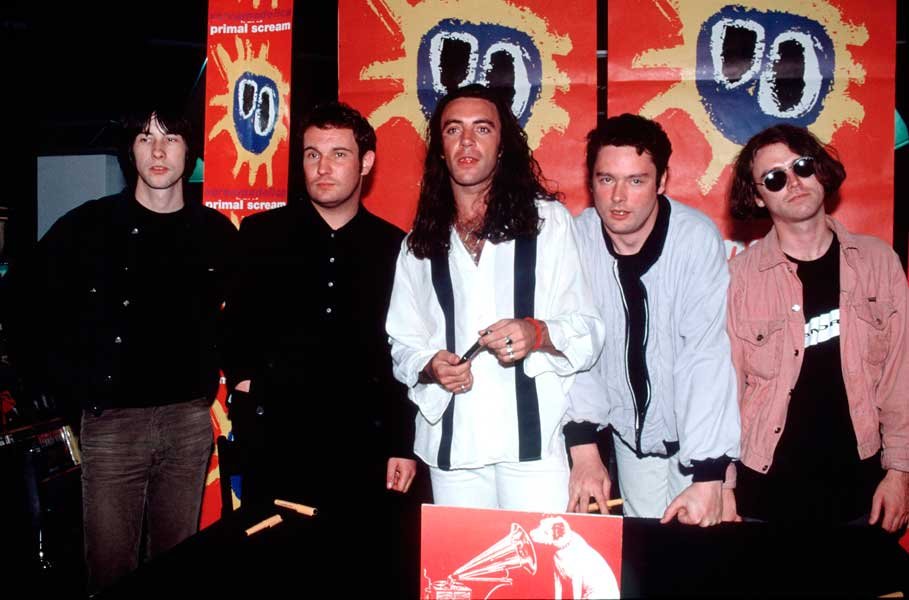
Weatherall didn't just politely remix the track; he violently dismantled it. He threw away the core guitar parts, scrapped almost all of Bobby Gillespie’s original vocals, and anchored what was left with a heavy dub bassline and a sampled drum loop. He then slapped a bootlegged audio sample of Peter Fonda from the 1966 biker film The Wild Angels right at the front of the track. The resulting Frankenstein creation was renamed "Loaded," and it became the exact blueprint for Screamadelica.
Instead of retreating to a traditional studio to record a standard follow-up, the band leaned entirely into Weatherall’s deconstruction. They traded their traditional rock posturing for MDMA and dancefloor cross-pollination, allowing producers to build sprawling, euphoric acid house epics out of their raw materials.
When the British establishment gathered in September 1992 to mint the most prestigious critical award in the country's history, they didn't crown a traditional rock opus. The very first Mercury Prize went to a rock band that found their masterpiece by stepping back, surrendering their egos, and letting club culture completely hijack their sound.