The Air Conditioner and the Toilet: The Unglamorous Origins of Yo La Tengo's Painful
Producer Roger Moutenot built the sonic foundation of indie rock's most enduring trio by sampling bathroom plumbing.
By Linernotd Indie / Alternative | Published on October 5, 2026

By the time Yo La Tengo entered Water Music studios in Hoboken in 1993, they had spent the better part of a decade operating with a revolving door of musicians. Husband-and-wife duo Ira Kaplan and Georgia Hubley had already cycled through four different bassists over their previous five records. Painful was meant to be the exact moment they cemented their identity, locking in fifth bassist James McNew for a full album for the first time. They were aiming to build a definitive, cohesive atmospheric drone, but the literal foundation of that sound ended up coming from the studio's plumbing.
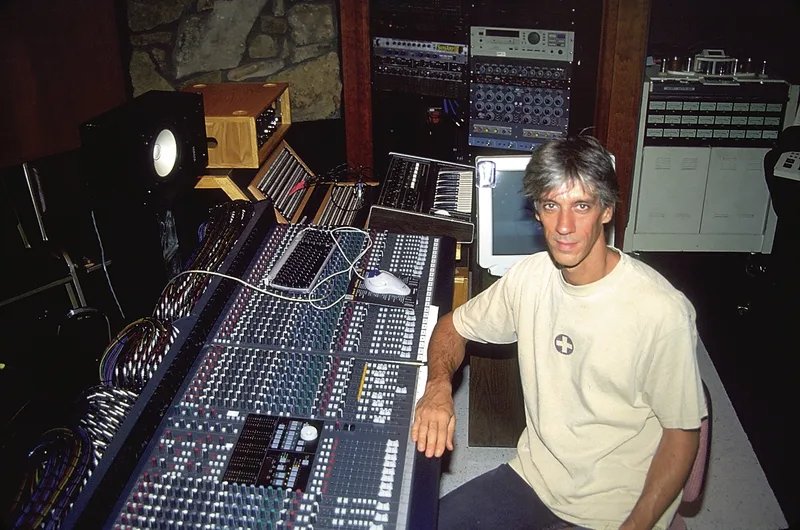
The band enlisted producer Roger Moutenot to steer the sessions, an engineer who brought a deeply unusual resume to an indie rock record, having previously worked on projects ranging from Lou Reed to the Village People. While mapping out the long, droning introduction to the track "Big Day Coming," Moutenot didn't rely on expensive synthesizers or layered guitar feedback. Instead, he took a microphone into the Water Music bathroom. He recorded the ambient hum of the facility's air conditioning unit, then flushed the toilet, capturing the rush of the water.
Moutenot took the raw bathroom field recordings back into the control room, fed the toilet flush and the A/C hum through a series of outboard effects processors, and looped the manipulated audio into a continuous, hovering frequency. Kaplan and Hubley simply played over it.
When Painful was released, it completely redefined Yo La Tengo's trajectory, ending their era of constant lineup shifts and establishing the exact trio that remains intact over three decades later. The album positioned them as the elder statespeople of independent music, universally recognized for their layered, atmospheric warmth. Yet, the literal opening texture that kicked off the most stable, respected era of their career was just manipulated audio of a New Jersey toilet flushing.