The Missing Logo and the 29-Minute Limit: The Unglamorous Reality of Slayer’s Reign in Blood
Produced by a hip-hop pioneer who completely dried out the mix, the defining thrash metal album was so short the band worried it didn't count as a full record.
By Linernotd Metal | Published on October 20, 2026
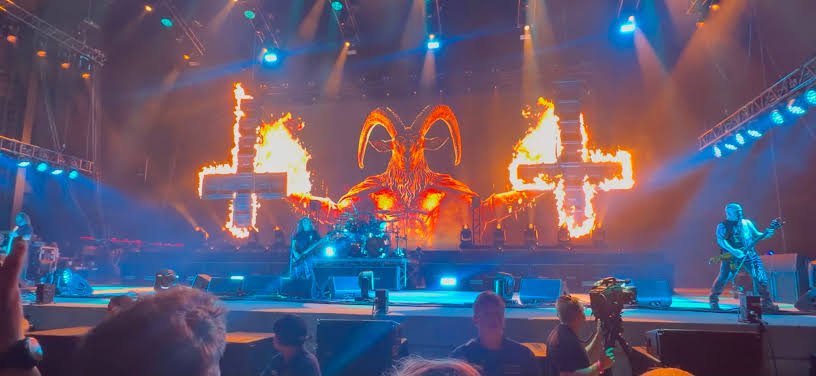
When Slayer finished recording Reign in Blood in 1986, the immediate reaction from the music industry was sheer corporate panic. Columbia Records, the distributor for the band's label Def Jam, listened to Jeff Hanneman's lyrical focus on Auschwitz in the opening track "Angel of Death" and flat-out refused to release the record. Producer Rick Rubin frantically scrambled to find a replacement distributor, eventually convincing Geffen Records to handle the logistics. However, Geffen executives were so terrified of the inevitable backlash that they completely stripped their own corporate logo from the physical album packaging.
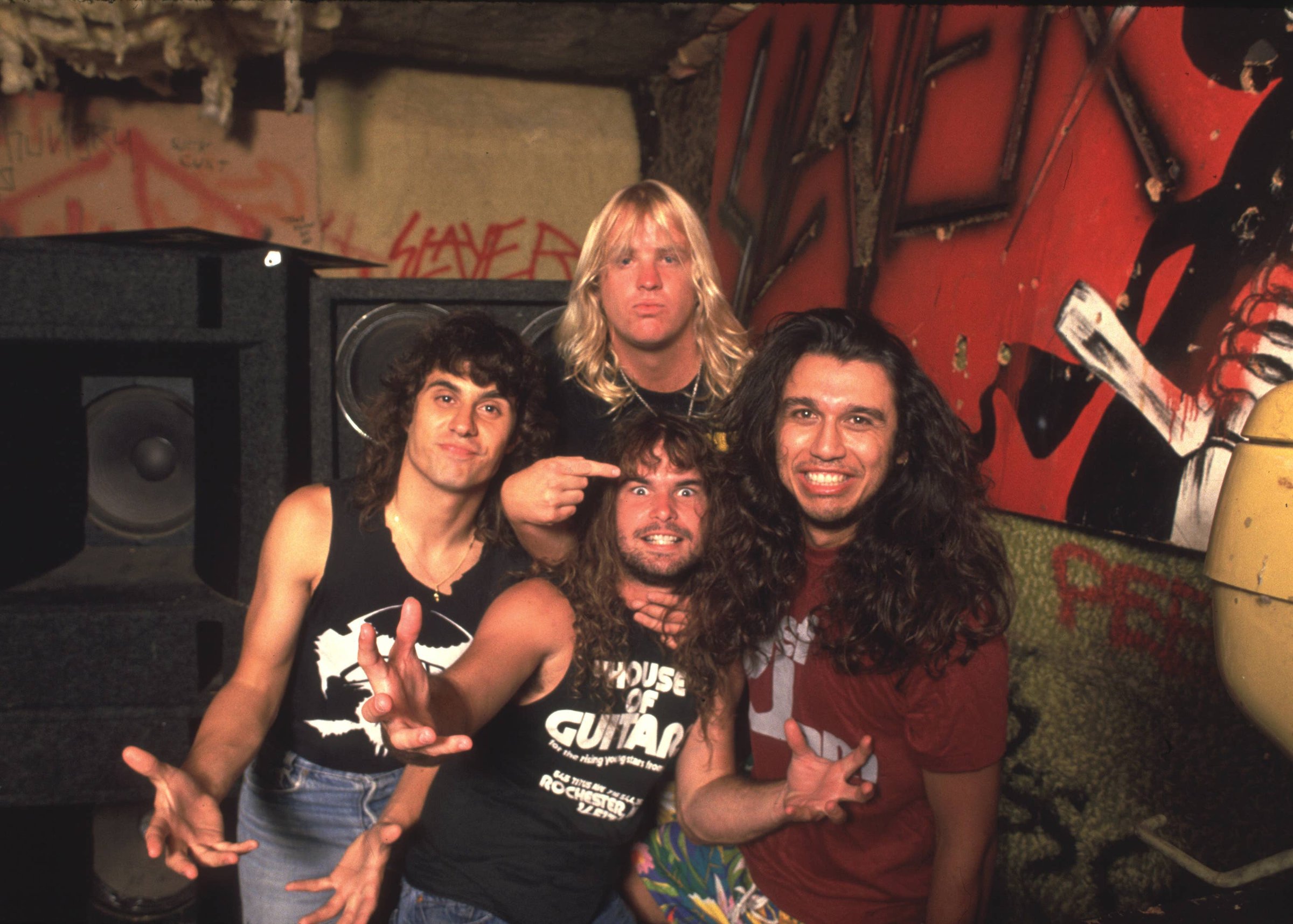
The corporate anxiety surrounding the album was matched by the bizarre, unorthodox logistics of its actual creation. Rubin, producing his very first heavy metal record, had absolutely no interest in the cavernous, echoing reverb that defined the genre at the time. Instead, he approached the sessions exactly like his hip-hop projects. He dried out the mix entirely, pushing the guitars and drums directly to the front of the speakers with zero atmospheric cushion, leaving absolutely nowhere for sloppy musicianship to hide.
Forced into this hyper-precise, dry studio environment, Kerry King, Jeff Hanneman, Dave Lombardo, and Tom Araya simply put their heads down and played as fast as humanly possible. Without the padding of long acoustic intros or echoing fades, the band blasted through all ten tracks at a relentless average of 220 beats per minute. When Rubin played back the final master, the entire sequence clicked off at exactly 28 minutes and 55 seconds. The runtime was so remarkably brief that Araya famously turned to Rubin and asked if it was even legally long enough to count as a full-length album.
When the unmarked, unbranded sleeves finally hit record stores forty years ago, the complete lack of a corporate logo accidentally amplified the record's mystique, making it look like a dangerous, forbidden bootleg. Reign in Blood became the ultimate, untouchable yardstick for extreme music. Yet, the most intimidating, relentless wall of sound in heavy metal history was essentially a dry, 29-minute sprint engineered by a rap producer and smuggled out the back door of a terrified record label.