Bron-Yr-Aur and the Batteries: How the World's Loudest Band Recorded Led Zeppelin III
Jimmy Page and Robert Plant retreated to a Welsh cottage with no electricity to capture their most defining acoustic pivot on a portable cassette deck.
By Linernotd Rock | Published on October 4, 2026
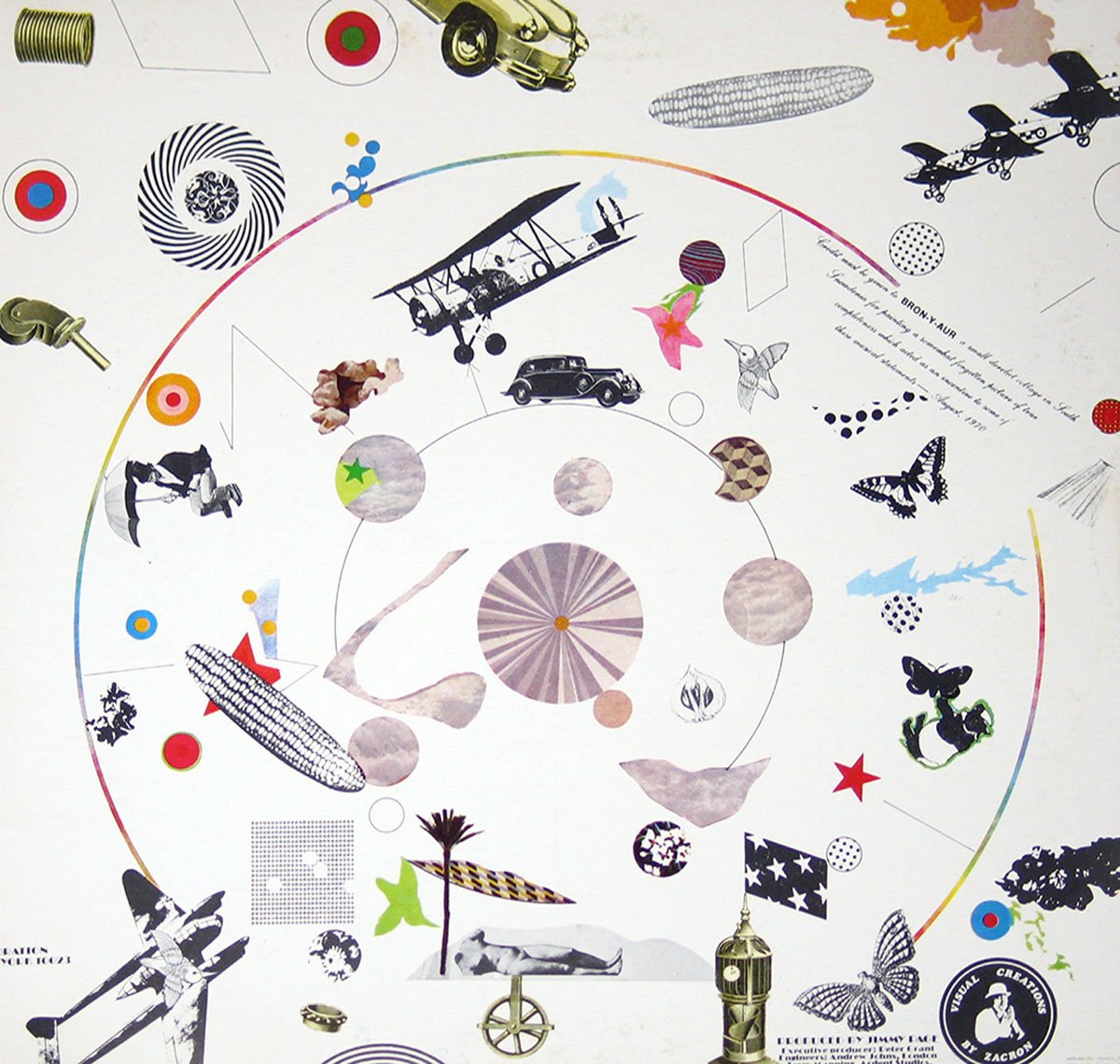
In the spring of 1970, Led Zeppelin was the heaviest, most relentless touring machine on the planet. Coming off the bone-crushing, amplified success of Led Zeppelin II, the expectation from Atlantic Records and the rock press was straightforward: more volume, more riffs, and more stadium-shaking blues. Instead, Jimmy Page and Robert Plant completely vanished, halting their monolithic momentum to go sit in a field in Wales.
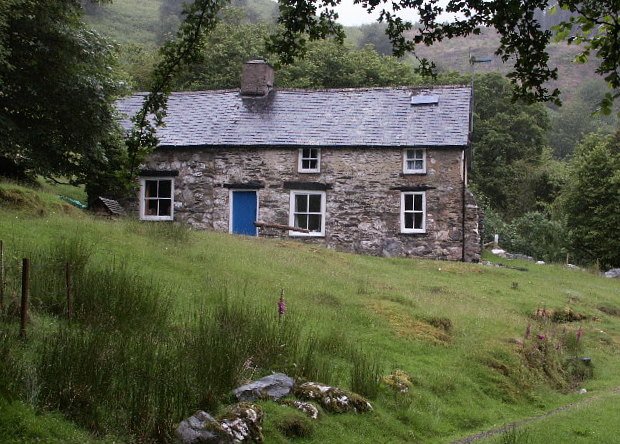
The destination was Bron-Yr-Aur, an 18th-century stone cottage nestled deep in the Cambrian Mountains of Snowdonia. It was a location completely devoid of the trappings of a modern rock band. There was no electricity, no running water, and barely a dirt road leading up to the property. Exhausted from two years of non-stop gigging across America, Page and Plant brought their families, a handful of acoustic instruments, and a singular piece of primitive technology: a portable Sony cassette recorder.
The granular mechanics of writing the foundation of Led Zeppelin III were dictated entirely by this lack of infrastructure. Without wall outlets, Page had to rely on a massive stockpile of Ever Ready batteries just to keep the tape rolling. They spent their days sitting outside by a steep ravine, strumming out the intricate, open-tuned chords of tracks like "That's the Way." Their wives, children, and dogs wandered in and out of the makeshift acoustic space, completely untethered from the sterile isolation of a professional studio control room. The tape hissed, the ambient noise of the Welsh countryside bled into the microphones, and the band simply kept playing.
When Led Zeppelin III hit record store shelves in October 1970, critics were initially baffled by the acoustic left turn, completely unaware of the environment that birthed it. The album heavily dialed back the Marshall stacks in favor of mandolins, banjos, and Martin acoustics, establishing a folk-rock duality that would ultimately define the remainder of the band's career. At the absolute peak of their decibel-shattering power, the loudest band in the world built the blueprint for their third masterpiece unplugged, powered entirely by dry cell batteries in the middle of nowhere.